
Discovery
The gradual process of relationship building through low-risk, exploratory interactions that test boundaries, roles, and expectations, fostering mutual understanding over time.
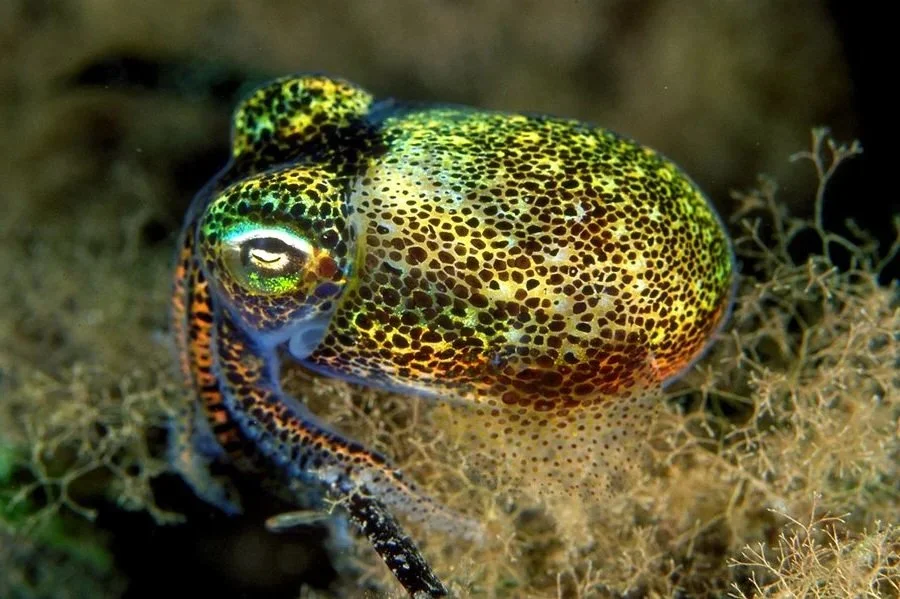
In biological systems, trust often forms through a gradual, step-by-step process, where initial interactions serve as low-risk “test-runs” before more significant engagements occur. These preliminary interactions, akin to pilots or trials or “test and learn” scenarios, allow individuals—whether other animals or humans—to gauge the safety and expectations of their environment and relationships.
The Essence of Discovery
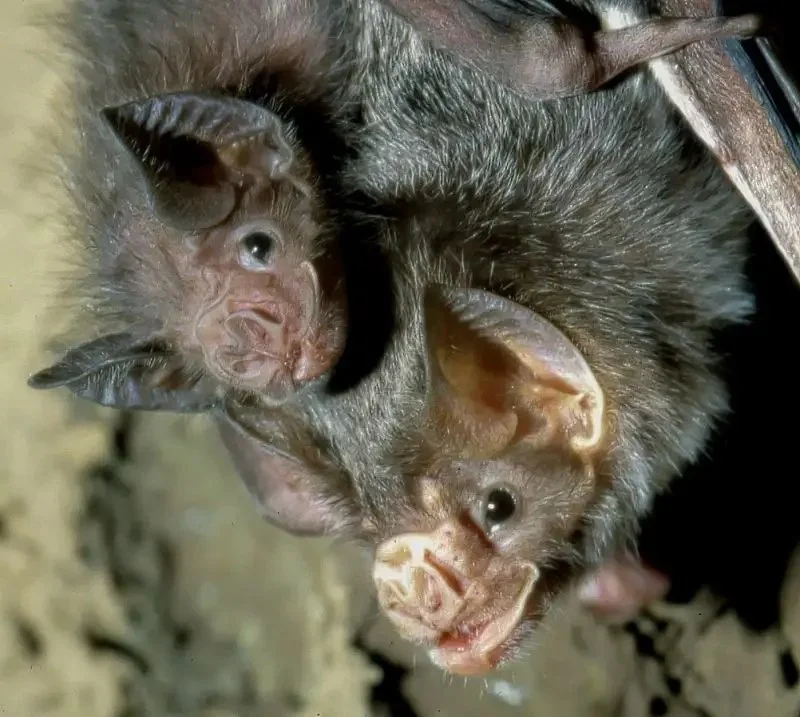
Discovery is nature’s low-risk trust-building strategy – a learning phase where organisms test new environments, relationships, boundaries, and behaviors through gradual exploration. Rather than leaping into the unknown, species use small experiments to gather information safely—nibbling leaves, play-fighting, testing boundaries. A young fox pup explores the edges of the den long before venturing into open terrain, while using playful pouncing and gentle wrestling to learn about safety, roles, and social rules. These interactions reveal and establish predictable patterns that lower future risk.
For humans, initial interactions serve a similar purpose: a minor risk taken early allows individuals to test things out and learn about a situation, assessing intentions, safety, and limits before investing deeply. When humans create environments that allow for experimentation and learning without fear of failure, we build the foundation for enduring trust.

Nature’s Key Insights:
Play matches real-world scenarios to inconsequential outcomes to maximize learning
Gradually and incrementally increasing risk and benefits of engagement supports predictive learning
Test runs support learning about risk in inconsequential ways
Learning boundaries, roles, and social rules of engagement can lower future risks and increase future benefits

Toolkit Resources: Discovery
Explore resources that can help you apply these insights in your work
-

Group Discussion
Use these questions to guide meaningful group conversation about the Discovery principle.
-

Journal Prompts
Let these reflection questions help you identify your own experiences related to Discovery.
-
Team Activity
The Shared Community Journal builds trust through shared reflection and collective memory.
-

Case Study
El Puente shows how gradual engagement helps trust take root and grow resiliently.
-
Team Activity
Gradual Onboarding strengthens trust through small, supported steps that build early confidence.
-
Team Activity
Community Code Mandala shows how shared, low-risk experiments support discovery and co-create trust.
-
Team Activity
Trail Magic Kit shows how low-risk surprises spark discovery through small test-runs of care.
Growing the Commons
What’s emerging as you put these ideas into practice?
We invite you to share how you’re using the toolkit and any activities you’ve created to help this resource continue to grow.