






Video Gallery

Skip to Videos
  • How to Approach this Research & Toolkit
  • Curious about the Nature of Trust?
  • The Framework Explained

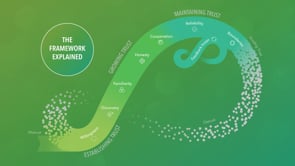
    The Framework Explained

    Explore the Nature of Trust Framework and how it maps the ways trust is established, grown, and maintained over time. Drawing from biology, the video shows trust as fluid and non-linear—strengthening or eroding based on experience and context.

  • Value of learning from Nature about Trust

    Value of learning from Nature about Trust

    Explore why slowing down to really study trust can be transformative. Roxey Nelson of SEIU 1199 explains how nature’s insights helped name patterns she already sensed—revealing why trust, learning, and alignment underpin effective systems of every kind.

  • What is Biomimicry for Social Innovation?

    What is Biomimicry for Social Innovation?

    Modern life has distanced us from nature’s wisdom—but not from our need for it. Biomimicry reveals nature’s ancient relational intelligence as a guide for cooperation, shared leadership, and trust in an era of profound change.

  • The Bio360: About the Research and Project

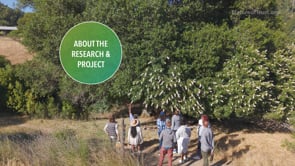
    The Bio360: About the Research and Project

    Nature has been solving the challenge of trust for billions of years. This video follows the research journey that uncovered shared trust patterns across species—and the real-world experiments that turned those insights into the Nature of Trust framework.

  • History & Cohort: Embodying the Principles

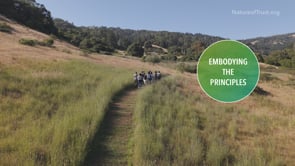
    History & Cohort: Embodying the Principles

    What happens when people don’t just analyze trust, but practice it together over time? This conversation traces how a cohort became a living microcosm of nature’s trust principles—building familiarity, honoring difference, and strengthening relationships through shared experience.

  • WILLINGNESS: Principle Explained

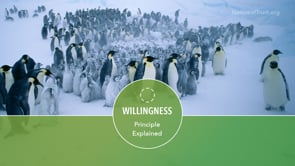
    WILLINGNESS: Principle Explained

    What does it really take for trust to begin? It starts at a threshold of willingness: when perceived benefits slightly outweigh risks, organisms—from penguins to playful animals to cleaner wrasse—opt in, creating mutual vulnerability and the conditions for trust to emerge.

  • WILLINGNESS: 50 plus 1 Insight

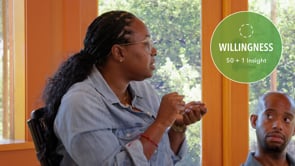
    WILLINGNESS: 50 plus 1 Insight

    What does it take for a group to engage together? Roxey Nelson of SEIU 1199 explains how the 50 plus 1 insight shows willingness depends on a slight net benefit, with participants continuously weighing risks and rewards to choose alignment and commitment.

  • WILLINGNESS: Scarcity & Abundance Insight in Practice
  • DISCOVERY Principle Explained

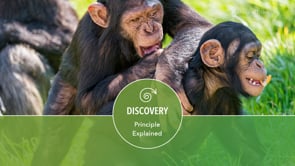
    DISCOVERY Principle Explained

    How do relationships grow through experimentation? The Discovery principle uses low-risk trial and error—testing boundaries, norms, and methods—to learn, adapt, and strengthen trust across humans and other species.

  • FAMILIARITY Principle Explained

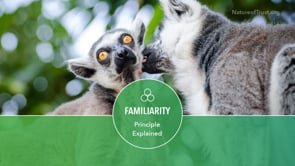
    FAMILIARITY Principle Explained

    How does repeated interaction deepen trust? The Familiarity principle shows that recognizing patterns, preferences, and routines—across humans and species like cleaner wrasse—reduces risk, creates ease, and reinforces ongoing, positive relationships.

  • HONESTY Principle Explained

    HONESTY Principle Explained

    How do signals shape trust? The Honesty principle shows that aligning cues and behavior—across humans and species like cleaner wrasse—ensures reliability, deters deception, and reinforces confidence in ongoing relationships.

  • HONESTY: Signals & Cues in Practice

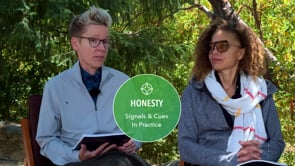
    HONESTY: Signals & Cues in Practice

    Jen Lewis-Walden of Shift Health Accelerator and Antionette Carroll of Creative Reaction Lab show how aligning signals with actions builds trust, demonstrating that honesty paired with follow-through and feedback strengthens reliability and supports accountable, equity-driven work.

  • COOPERATION Principle Explained

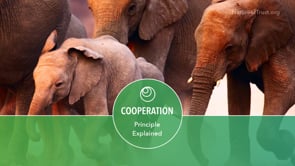
    COOPERATION Principle Explained

    How does working together build trust? The Cooperation principle shows that reciprocal benefits—across humans and species like cleaner wrasse—reinforce engagement, sustain relationships, and adapt over time to strengthen confidence and collective success.

  • RELIABILITY Principle Explained

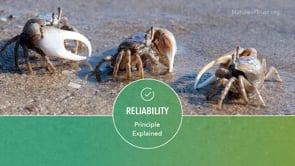
    RELIABILITY Principle Explained

    How does consistency build trust? The Reliability principle shows that ongoing, honest signals—across humans and species like cleaner wrasse—maintain alignment, adapt to changing conditions, and reinforce confidence in relationships over time.

  • RELIABILITY: Maintaining Trust Across Time

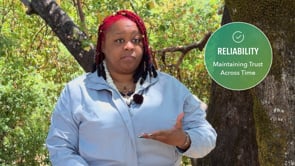
    RELIABILITY: Maintaining Trust Across Time

    Antionette Carroll of Creative Reaction Lab emphasizes that maintaining trust requires consistent, reliable actions over time, respecting boundaries, allowing for human mistakes, and cultivating long-term connections that support scalable, resilient relationships.

  • FEEDBACK Loops Explained

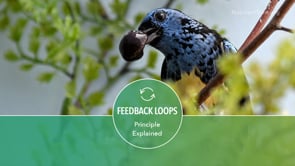
    FEEDBACK Loops Explained

    How do behaviors get reinforced or corrected? The Feedback Loops principle shows that timely responses—across humans, cleaner wrasse, and social species—reward trustworthiness, correct misalignment, and sustain long-term engagement and reliability in relationships.

  • FEEDBACK Loops in Practice

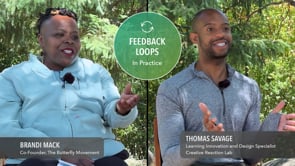
    FEEDBACK Loops in Practice

    Brandi Mack of the Butterfly Movement and Thomas Savage of Creative Reaction Lab highlight how ongoing feedback loops guide learning and focus, turning mistakes into insight and strengthening trust through continual adaptation and responsive alignment.

  • BOUNDARIES Principle Explained

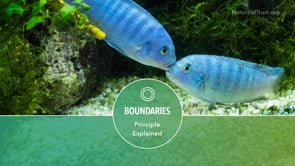
    BOUNDARIES Principle Explained

    How are limits recognized and honored in relationships? The Boundaries principle shows that organisms—from cleaner wrasse to primates—maintain trust by signaling, respecting, and repairing boundaries, ensuring engagement stays safe, predictable, and mutually beneficial over time.

  • Even fish trust...

    Even fish trust...

    Witness an unlikely act of trust in the ocean, where the tiny cleaner wrasse enters the mouths of much larger fish to remove parasites. The story offers a vivid biological example of mutual reliance, where both parties benefit by honoring the relationship.

  • Case Study Health Care Workers: Establishing Trust

    Case Study Health Care Workers: Establishing Trust

    Explore how leadership grounded in trust principles can transform a union’s culture, inviting members to weigh risk, benefit, and willingness in shared decisions. See how intentional practices create moments of clarity, commitment, and collective alignment.

  • Case Study Florida For All: Establishing Trust

    Case Study Florida For All: Establishing Trust

    Discover how leadership can cultivate willingness and alignment by shaping the conditions for trust, rather than relying on intuition alone. Learn how deliberate, nature-inspired practices guide teams to navigate complexity, make choices, and build relational resilience.

  • Case Study ​​The Living Pantry as a Tool for Building Trust

    Case Study ​​The Living Pantry as a Tool for Building Trust

    What begins as a food sovereignty practice becomes a living architecture of trust. Guided by nature’s principles—low‑stakes discovery, honest signals, familiarity, reciprocity, and cooperation—the Living Pantry shows how shared nourishment can regenerate relationships, belonging, and collective capacity across communities.

  • Case Study Shift Health Accelerator: The Nature of Trust in Practice

    Case Study Shift Health Accelerator: The Nature of Trust in Practice

    Shift Health Accelerator shares how they apply nature-informed trust principles to rebuild relationships with communities and healthcare institutions. By centering willingness, discovery, and familiarity, they create safe spaces for experimentation, assess readiness for engagement, and guide organizations toward honest, cooperative, and accountable partnerships over time.

  • Case Study: Restoring Trust in Practice with Young Leaders

    Case Study: Restoring Trust in Practice with Young Leaders

    Creative Reaction Lab shares how they restored trust with youth leaders in Chicago by centering willingness, discovery, and honesty. Through authentic engagement, vulnerability, and modeling repair, they cultivated reciprocal trust, familiarity, and accountability, allowing young people to co-create and own the process over time.

  • Case Study: Creating and Leveraging Lotería, a Trust Game in Spanish

    Case Study: Creating and Leveraging Lotería, a Trust Game in Spanish

    EarthCare shares how they’re using a culturally grounded game—Lotería—to build trust with immigrant families. By translating nature-informed trust principles into Spanish and embedding them in playful, familiar gameplay, participants explore trust, values, and relationships safely, while iterative translation and facilitation ensure clarity, relevance, and engagement. The game acts as both a learning tool and a conversation starter, supporting community cohesion, cross-cultural understanding, and healing practices.

  • Trust Designers

    Trust Designers

    Trust can be intentionally designed. Every choice—from how we show up to the spaces we create—shapes trust or mistrust. By focusing on reliability, feedback loops, boundaries, and willingness, we can cultivate connections, collaboration, and shared power. Designing trust invites deeper relationships and creates environments where equity, justice, and lasting trust can flourish.

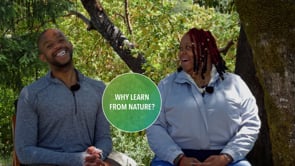
  • Why learn from nature?

    Why learn from nature?

    Exploring nature invites us to discover new ways of understanding trust. Observing other species reveals patterns and practices that expand our understanding of connection, reliability, and relationship. Nature serves as a blueprint, reminding us that trust is fundamental—not just human-made—and offering lessons we can apply in our own lives and communities.

  • Sharing about Nature as Teacher to Healthcare Pros

    Sharing about Nature as Teacher to Healthcare Pros

    Shift Health Accelerator shares how healthcare leaders respond to nature as a teacher. Engaging funders and hospital leaders with biomimicry frameworks and trust principles sparked curiosity, play, and discovery. Nature provides a relatable, intuitive lens, offering tools to explore abundance, honesty, and feedback loops. By framing trust through natural examples, participants gain a fresh perspective on collaboration, decision-making, and addressing entrenched challenges in their organizations.

  • Naming Nature as Teacher: Youth vs. Adults

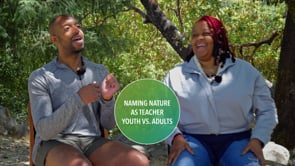
    Naming Nature as Teacher: Youth vs. Adults

    Creative Reaction Lab highlights the different ways youth and adults engage with nature as a teacher of trust. For youth, nature itself can be the entry point, leading naturally to lessons about trust. For adults, trust often comes first, with nature providing evidence and reinforcement for those lessons. By naming nature as the foundation, they offer a reliable, observable reference that bridges generations and provides a novel way to explore human behavior and the principles of trust.

  • Naming Nature as Teacher with Latinas

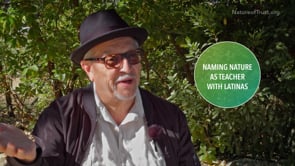
    Naming Nature as Teacher with Latinas

    EarthCare highlights how Latinas engage with nature as a teacher. Many participants, especially those with agricultural backgrounds, already understand ecological patterns—adaptation, cycles, and interdependence—from lived experience. By connecting these insights to trust, they gradually recognize how observing and interacting with nature can inform relational understanding, decision-making, and community practices.

  • Nuances about what to expect

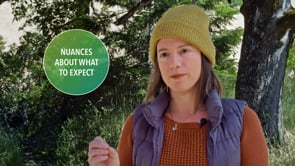
    Nuances about what to expect

    Gina explains that while the toolkit’s trust principles may look obvious at first glance, each one contains deeper, practical insights that humans rarely articulate. She emphasizes that these often-implicit dynamics make the toolkit surprisingly revealing and groundbreaking for understanding how we build and maintain trust.

  • These Principles are Interconnected (CRx & Butterfly)

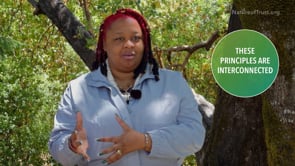
    These Principles are Interconnected (CRx & Butterfly)

    This video shows how trust principles depend on one another—honesty, boundaries, willingness, and discovery only work when practiced together. Antionette and Brandi explain that trust is dynamic and situational, requiring us to re-establish, grow, or maintain it depending on what a group has experienced and what the moment calls for.

Video Credits

All videos were directed, produced and edited by PATSY NORTHCUTT of Northcutt Productions.

See full video credits below.

Executive Producers/Hosts

DAYNA BAUMEISTER, PhD, B3.8

TOBY HERZLICH, BSI

GINA LAMOTTE, BSI


Cohort Participants

ANTIONETTE D. CARROLL, PhD

BRANDI MACK

JEN LEWIS-WALDEN

LISA RICHARDSON

MIGUEL ACOSTA

MINKAH TAHARKAH 

ROXEY NELSON

SONIA SARKAR

THOMAS SAVAGE


Archival Footage

ARTLIST IO

DREAMTIME

PONDS

SHUTTERSTOCK

Camera/Drone

PATRICK GILLES


Camera

PATSY NORTHCUTT


Additional Camera

GINA LAMOTTE


Graphic Design

CHEYENNE LEWIS


Color Grading

CHRIS MADERA


Music & Sound Design

MICHAEL BECKER

Visual Asset Support

MICHELLE GRENIER

Library Music

ARTLIST IO