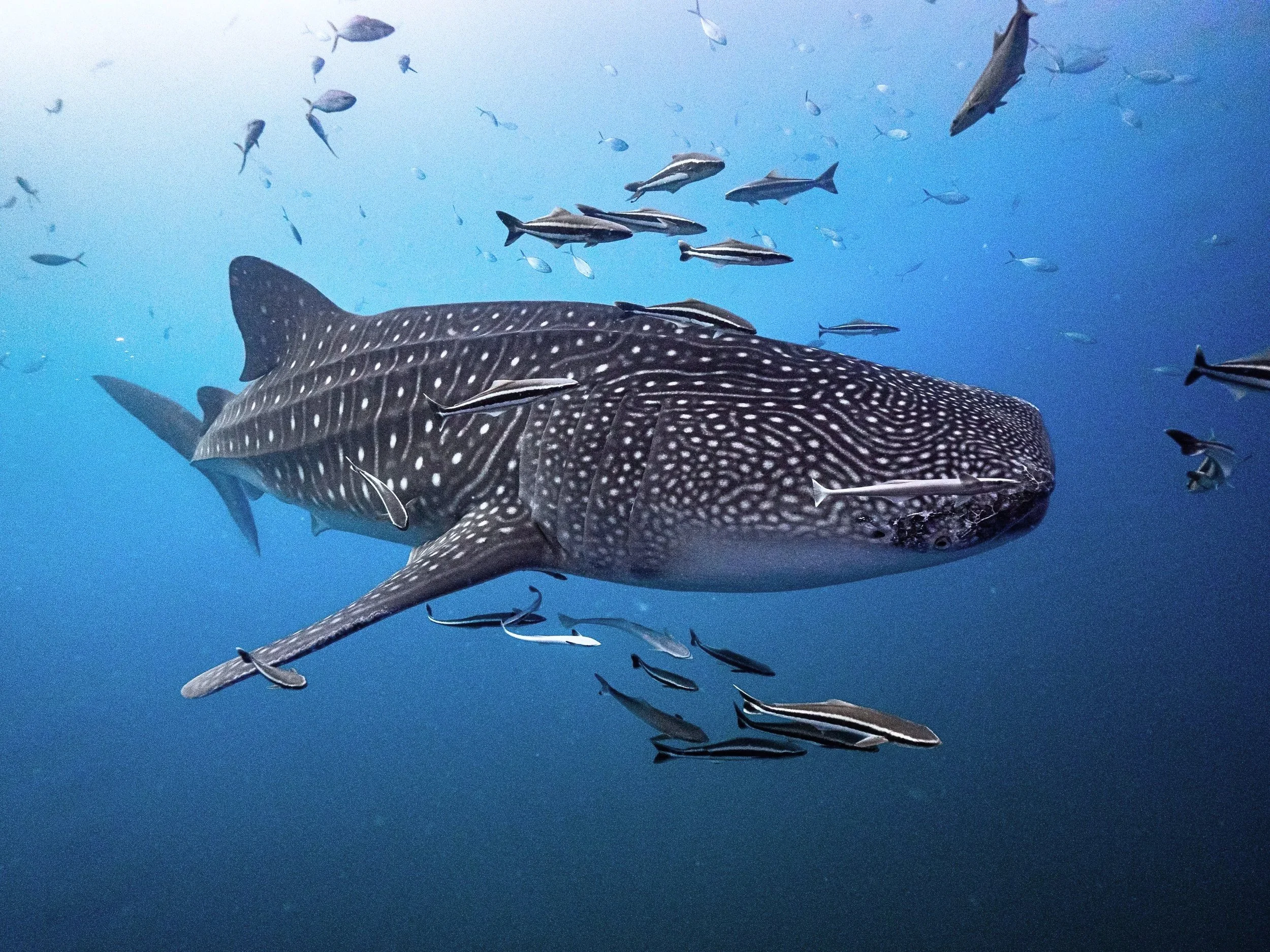
The Nature of Trust
Nature-inspired solutions for trust-building and social change

What can nature teach us about establishing, growing, and maintaining trust?


TRUST
/trəst/ one’s willingness to accept the risk of engagement based on the expectation that the behavior(s) of another party/entity will produce some positive outcome in the future.
About the Project
The Nature of Trust Project is a collaboration between Biomimicry for Social Innovation (BSI) and Biomimicry 3.8 that combines biological research with real-world application to discover new models for social innovation using nature’s best strategies for building trust. Working alongside leaders in health equity and social change, the project explored how trust functions in living systems—and what those insights reveal for building stronger human relationships, organizations, and communities.
Over two years of research and experimentation, the project:
Identified lessons from nature that inform trust-building.
Demonstrated how biomimicry can serve as a strategic lens, practical tool, and regenerative practice for social innovation.
Produced a framework, toolkit, and multimedia resources to inspire leaders to apply nature’s intelligence in fostering resilient, adaptable, and lasting trust.
Support for the Nature of Trust was generously provided by the Robert Wood Johnson Foundation. The views expressed here do not necessarily reflect the views of the Foundation.
-

Why Explore Trust?
Discover why trust matters and why it’s essential for navigating today’s challenges
-
What is Biomimicry?
Explore the discipline that looks to nature’s strategies to inspire human innovation.
-
The Bio360 Research Process
Dive into the scientific research and biological insights behind the Nature of Trust.
-

History & Cohort
Learn how the project unfolded and meet the Cohort members.
Learning Opportunities
Nature of Trust CoLab
A 10-week course exploring trust through living systems. Discover what Nature can teach us about cultivating trust in human systems.









The Toolkit
Nature’s Lessons and Strategies for Trust-building
Strengthen trust in your teams, networks, and communities with practical strategies inspired by nature. The Nature of Trust Toolkit offers hands-on resources to apply the principles of the natural world to today’s social challenges.
Organized around the Nature of Trust Framework, the toolkit provides practical resources for applying nature’s strategies in everyday work.
About the Framework
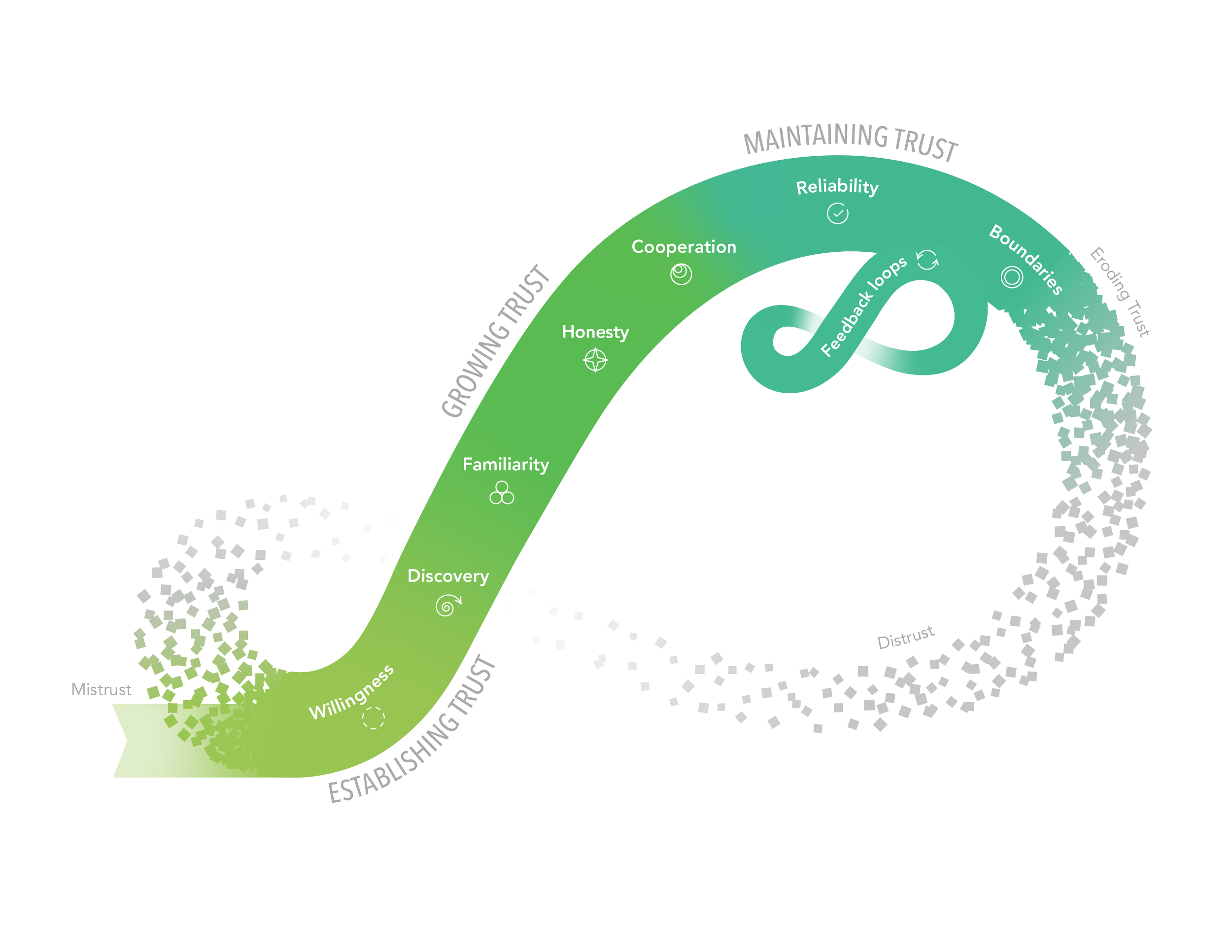
The Nature of Trust Framework distills deep biological research into 8 Guiding Principles and three phases of Trust. Watch this video to better understand how to navigate and engage with this model.
About the Toolkit
We offer dozens of free resources and tools to help you learn, practice and explore nature’s strategies for trust-building. Watch this short video for an orientation to the Nature of Trust toolkit.
The 8 Principles of Trust
At the heart of the framework are eight principles drawn from biology. These principles describe trust-affirming behaviors observed in living systems, offering practical insights for human relationships, organizations, and communities.
Trust is multi-faceted—it can be established, grown, maintained, eroded, or lost. Each principle provides a distinct lens on the dynamics of trust, and while some may play a stronger role at different times, it is the full set of principles and their synergistic effects that foster resilient, long-lasting trust.
Explore the principles to access videos, activities, journal prompts, discussion questions, case studies, and more that help you apply these insights in your work.







Supporting Resources
-
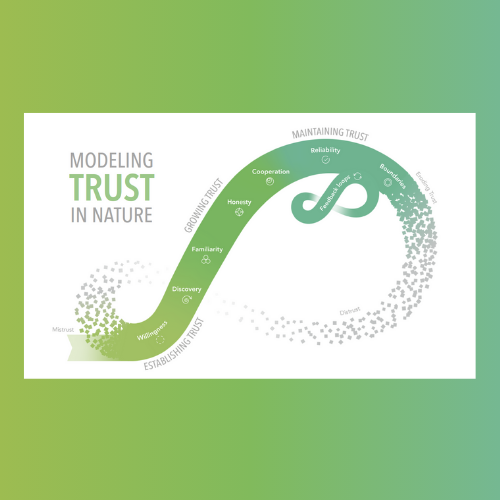
Nature of Trust Framework (English)
Explore the overarching framework and guiding principles from nature.
-
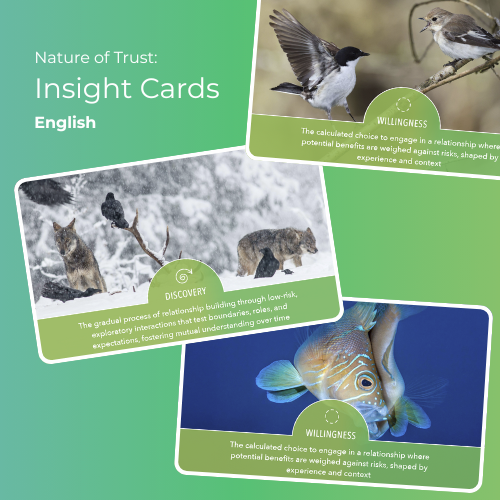
Nature of Trust Insight Cards (English)
Practice and play with nature’s key insights with this set of cards.
-
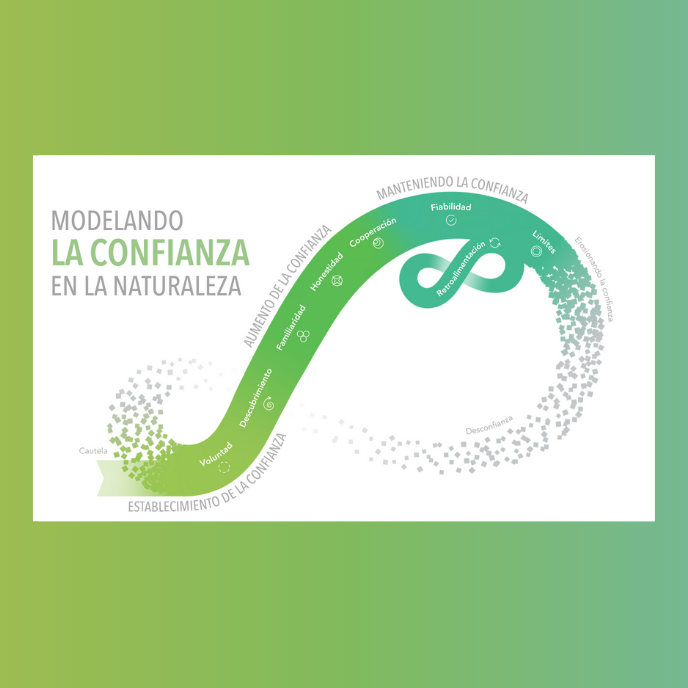
Nature of Trust Framework (Spanish)
Explore la metodología biológica completa y la investigación detrás de este proyecto.
-
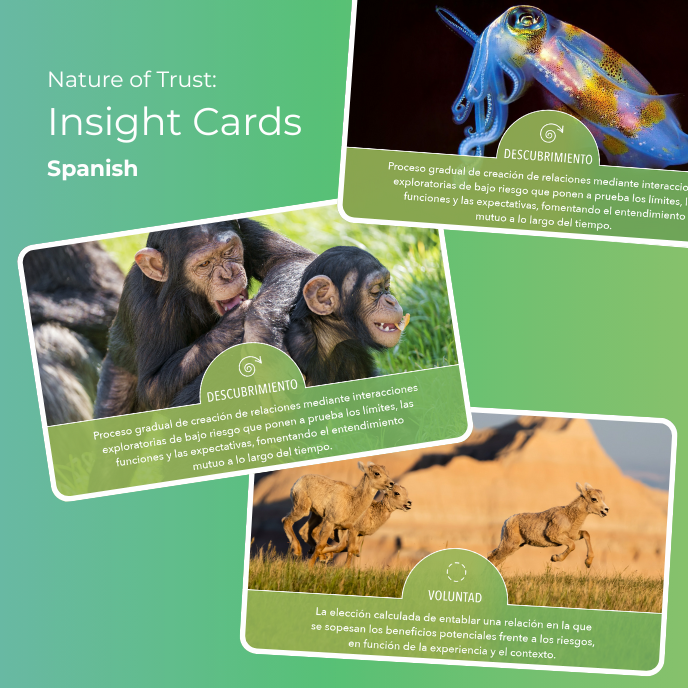
Nature of Trust Insight Cards (Spanish)
Practica y juega con los conocimientos clave de la naturaleza con este set de tarjetas.
Video Gallery
Watch recorded talks, interviews, and presentations from the project team and Learning Cohort. All videos were directed, produced and edited by Patsy Northcutt of Northcutt Productions.
Contact Us.
Have questions, ideas, or stories to share? We’d love to hear how you’re using the toolkit and welcome activities you’ve created, as well as inquiries about partnerships, training, and support.